Latest Posts
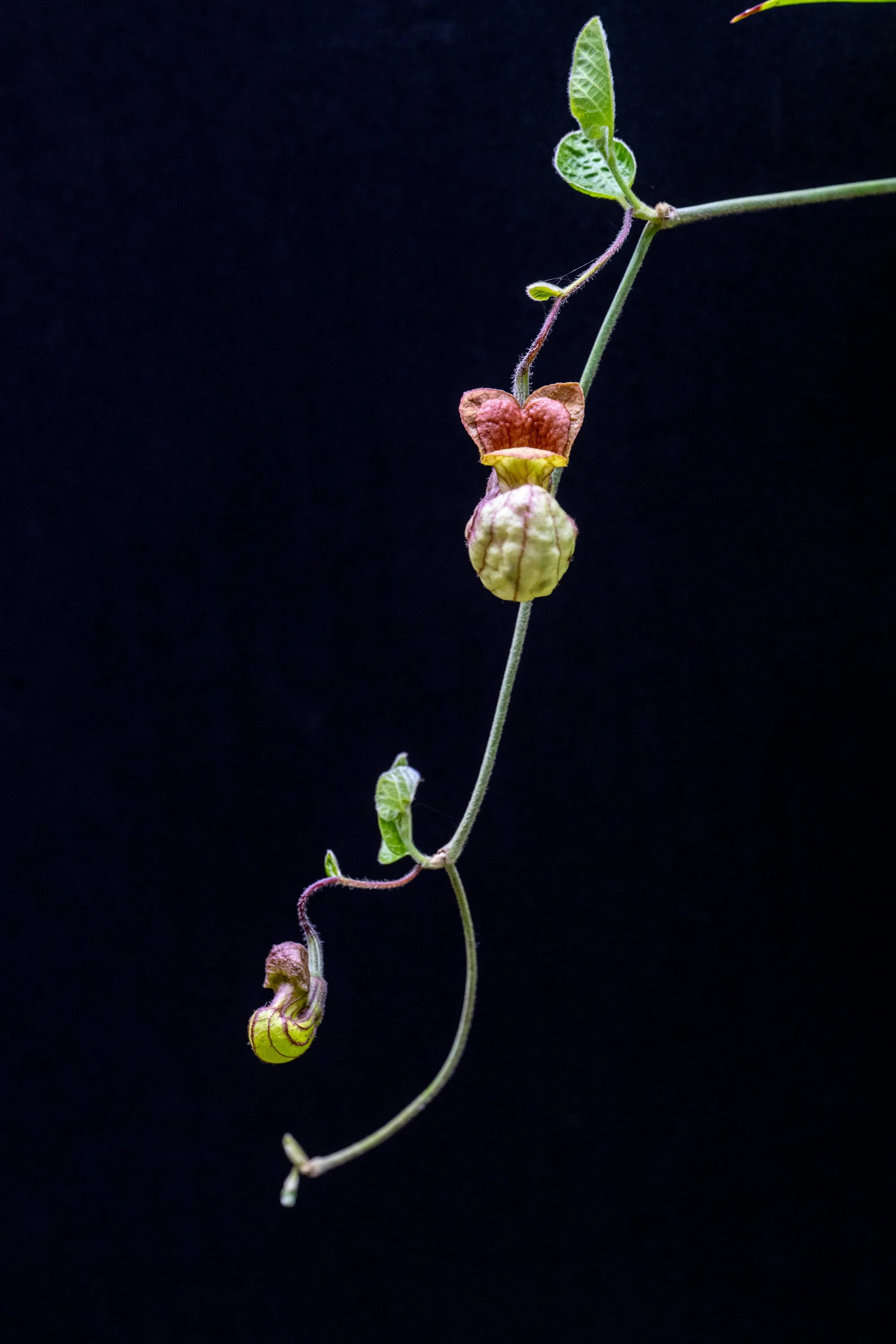

The curious pipevine flower is our sole local representation of the birthworts, a plant family whose many other species are found mostly in warm and tropical areas of the world.
Five Canyons Open space connects suburban neighborhoods to a network of trails that access Hayward Area Recreation District facilities, Don Castro, Cull Canyon and the Chabot-to-Garin Ridge Trail.
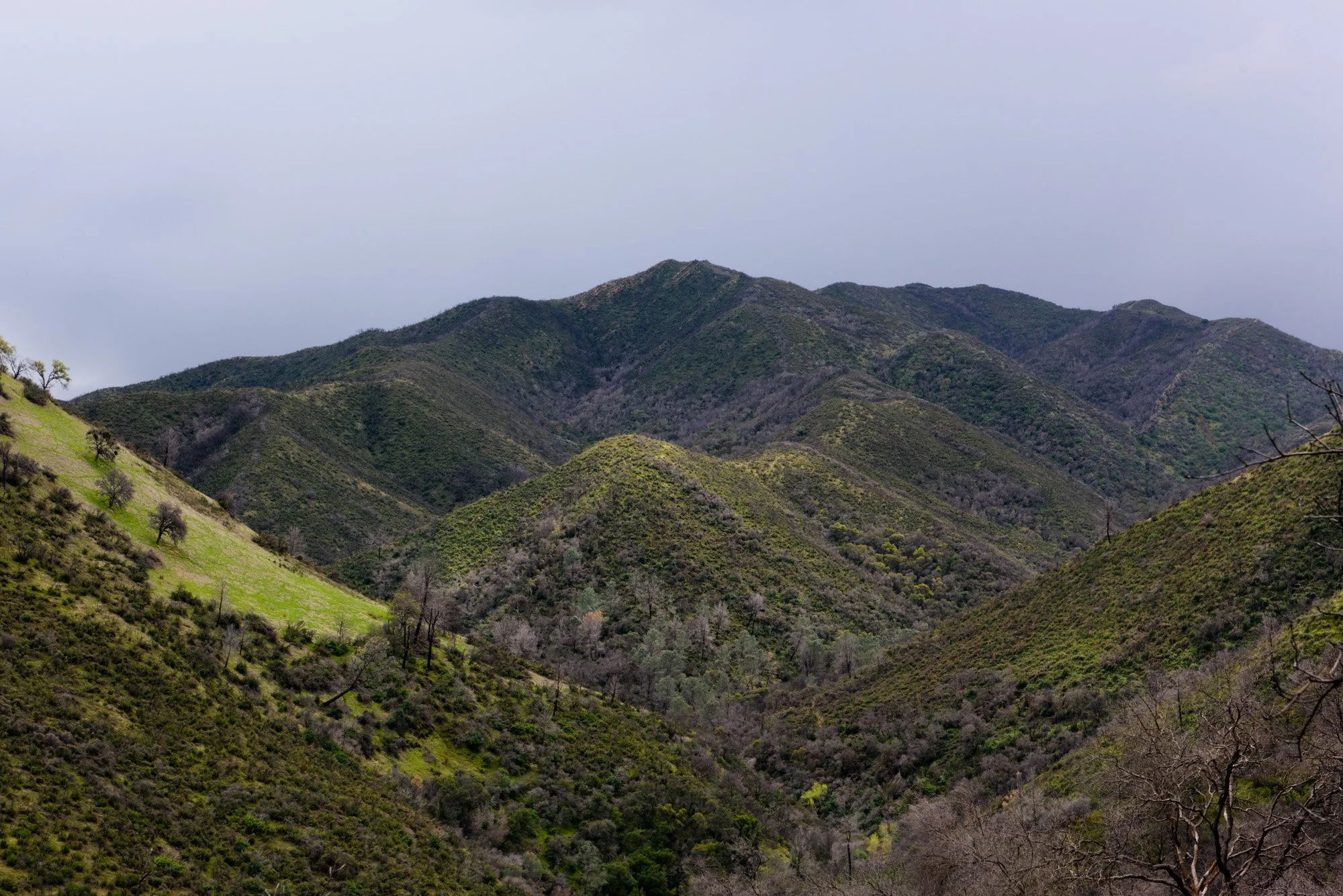
One day, not so long ago, grizzly bears roamed here, chowing down on manzanita berries, beneath giant tree-like manzanitas. Those days ended in in the late 1850s, when Jeremiah Morgan hunted them out, reportedly killing 46 bears in a single year. But this rugged wilderness preserve is still home to mountain lions, eagles and coyotes.
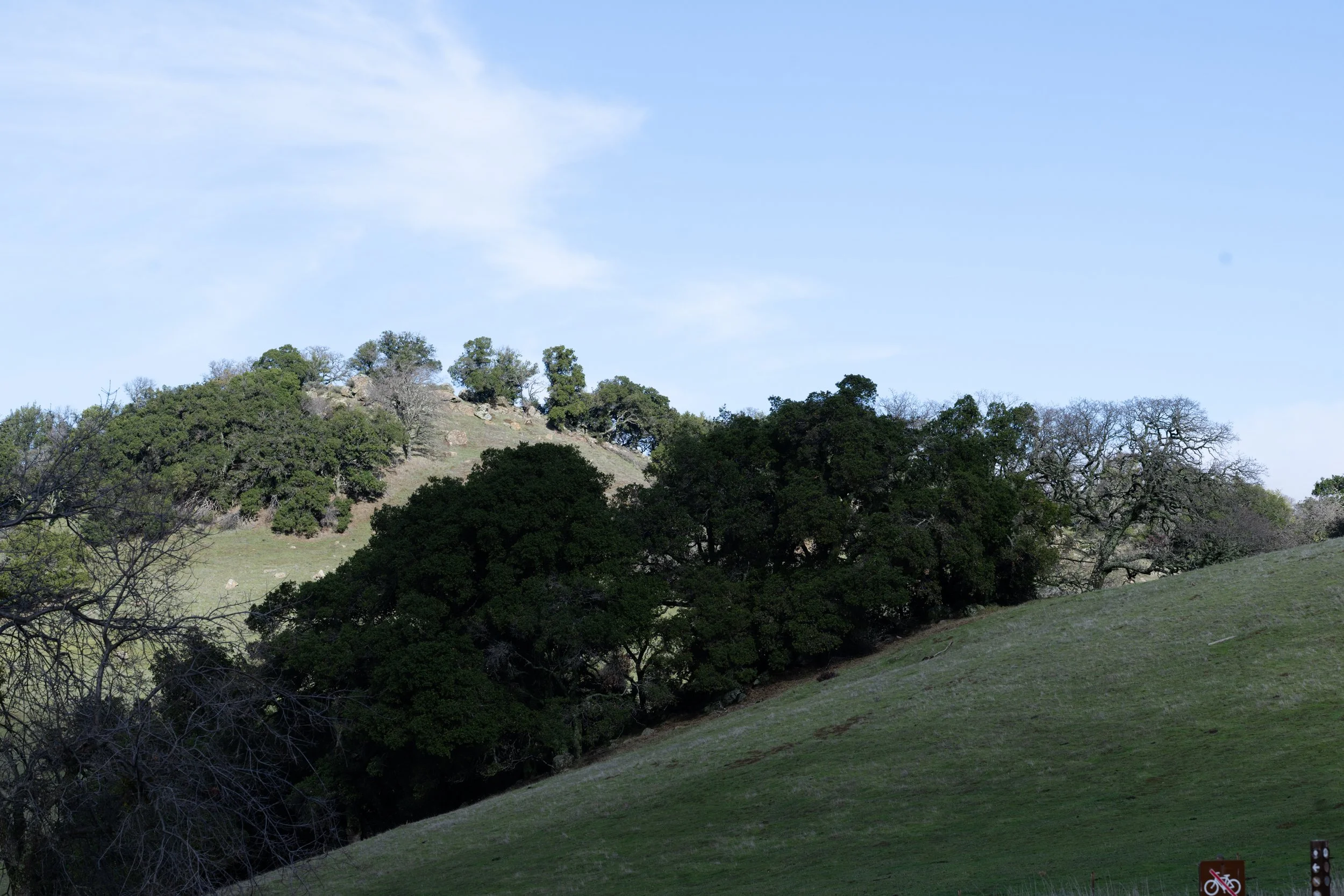
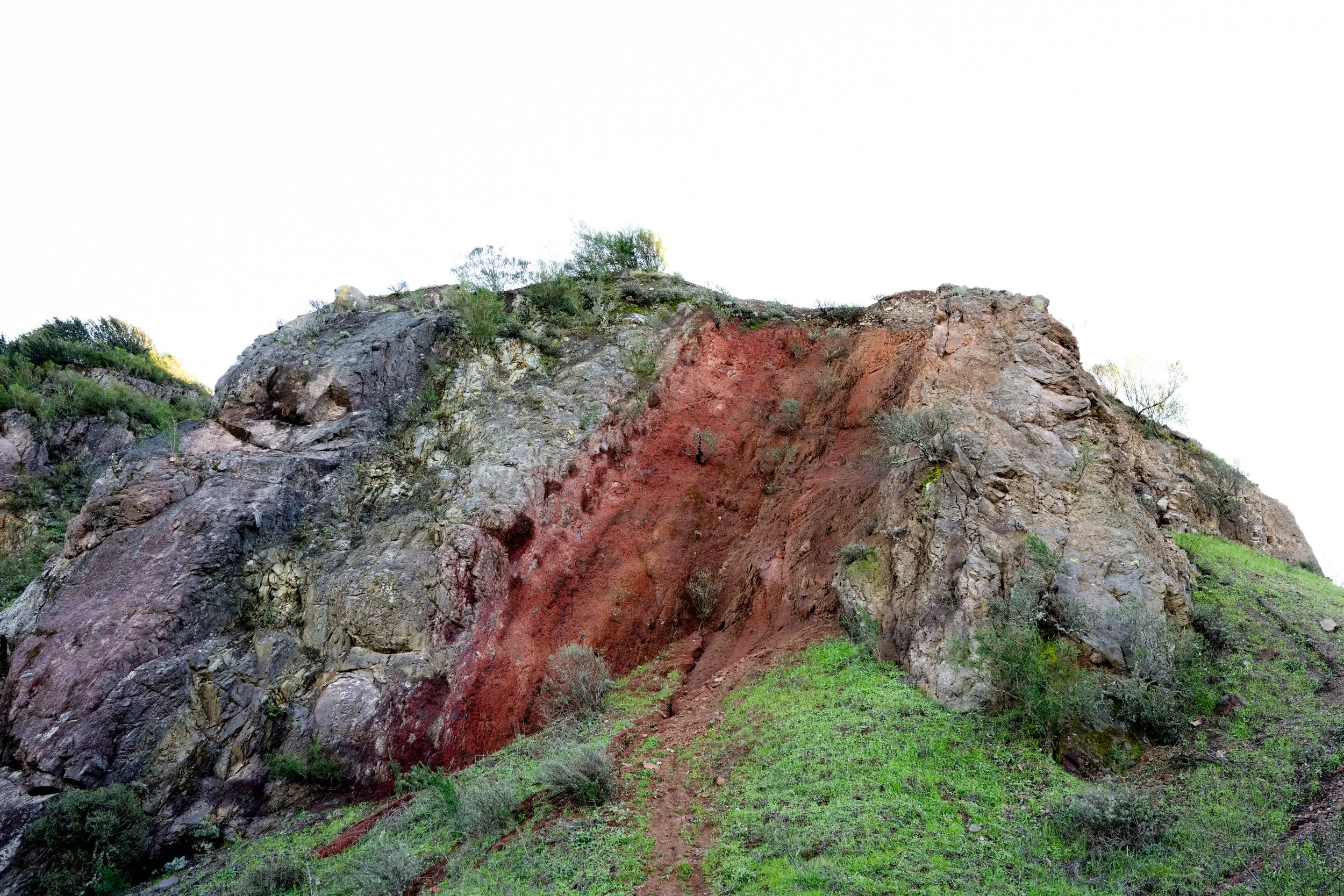
Sibley Volcanic Regional Park offers a self-guided tour of Round Top Volcano, active 10 million years ago. You can pick up a brochure at the Skyline Boulevard staging area. Examples of the park’s rock formations can be viewed at an outdoor display at the entrance. Here are a couple of views from the park and tour.
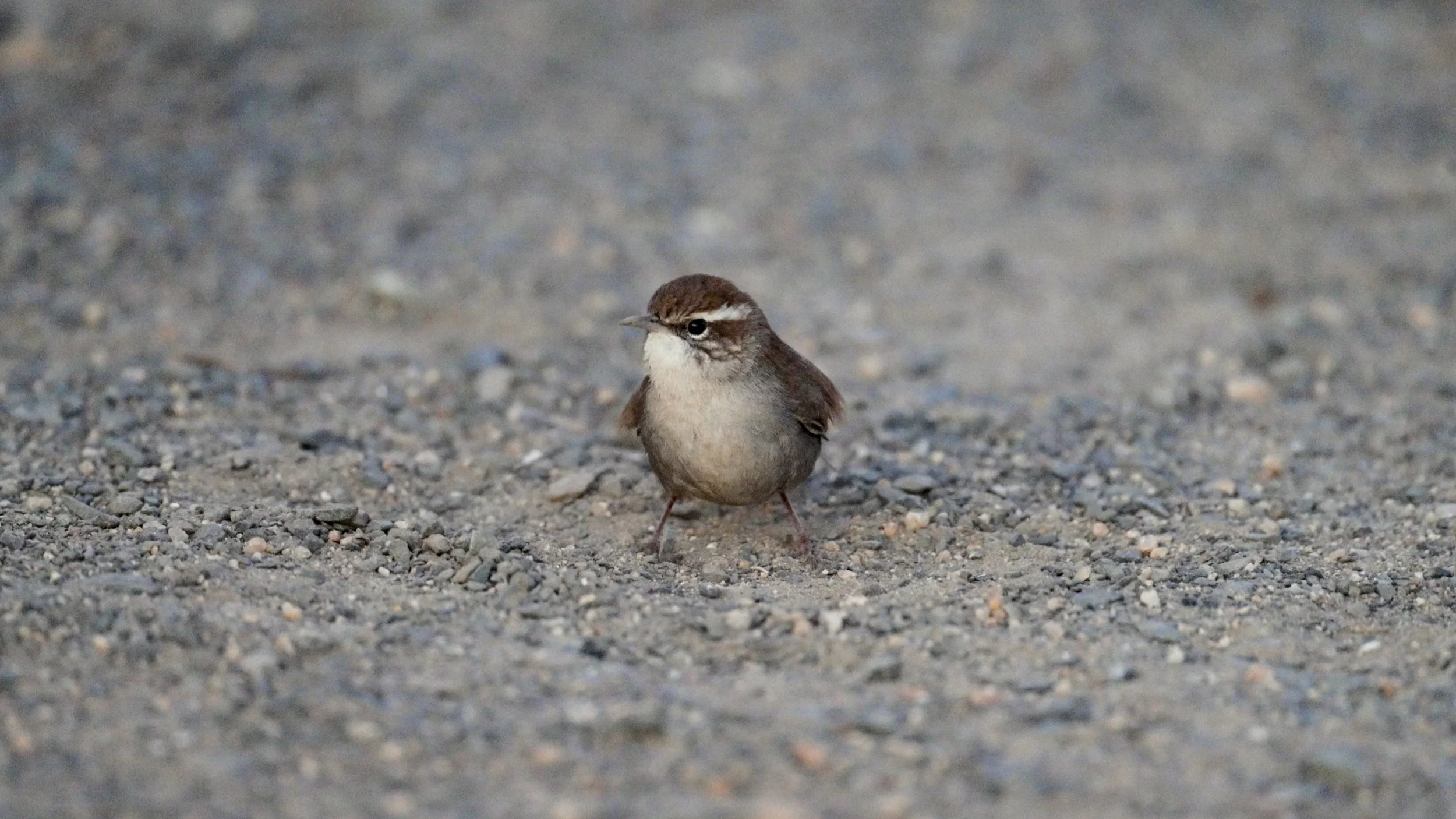
Bewick’s wrens take dust baths, often at dusk to remove oil from their feathers and potentially control parasites.
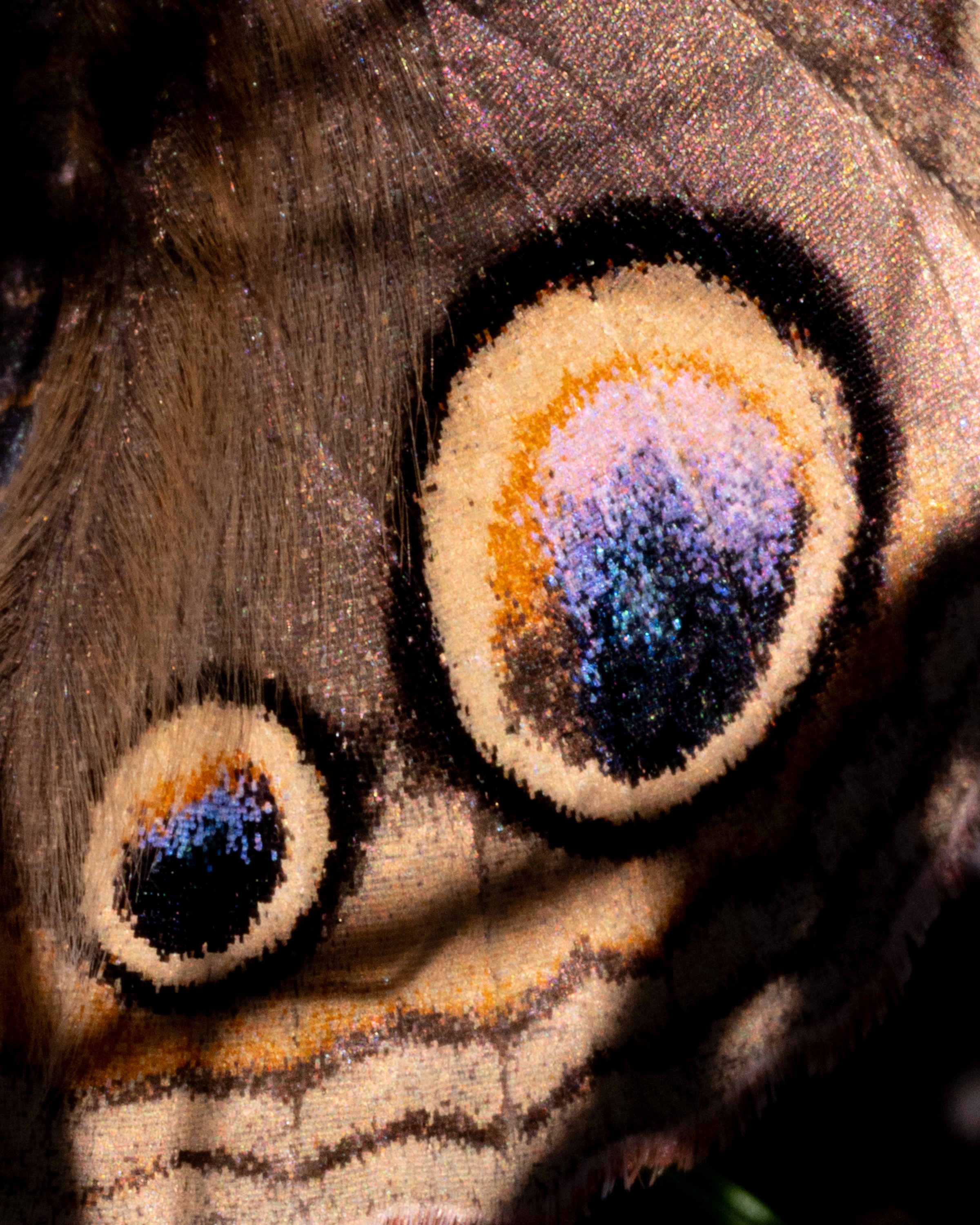
Close-up of wing: orange, brown, black, peach, amber, almond, purple, violet, blue, turquoise, cobalt, candy pink and magenta scales. Iridescent colors without names. These colors come from the way light reflects off structures in the wing scales in addition to pigmented color
Bewick’s wrens take dust baths, often at dusk to remove oil from their feathers and potentially control parasites.
Close-up of wing: orange, brown, black, peach, amber, almond, purple, violet, blue, turquoise, cobalt, candy pink and magenta scales. Iridescent colors without names. These colors come from the way light reflects off structures in the wing scales in addition to pigmented color
Butterflies and moths are both in the Order Lepidoptera. Worldwide, there are approximately 17,500 species of butterflies and 160,000 species of moths. The vast majority of moths are nocturnal. Two moth night events in July (National Moth Week) offered a glimpse into the invisible world of these nighttime winged critters and inspired me to make my own light trap using UV party light strips and a sheet.
Waking up every two hours to feed an orphaned newborn bat pup, providing emergency maternal care for a hoary bat giving birth to breech twins, or grooming sleek bat fur with a mascara brush are all routine parts of life for JoEllen Arnold, a retired teacher, who is a bat "rehabber," and conservation advocate.
This Juvenile Great Horned Owl with fluffy feathers was perched on the branch of a Bay Laurel tree.
On a late July morning, a group of volunteers gathered in Wildcat Canyon. They were there to assess the health of a population of Santa Cruz tarplant, a rare plant that grows in the canyon.
Encountering an owl in the wild is an otherworldly experience. It’s often fleeting —perhaps only a glimpse of silent feathers flying through the dark forest.
See All in Plant Portraits and Stories
The curious pipevine flower is our sole local representation of the birthworts, a plant family whose many other species are found mostly in warm and tropical areas of the world.
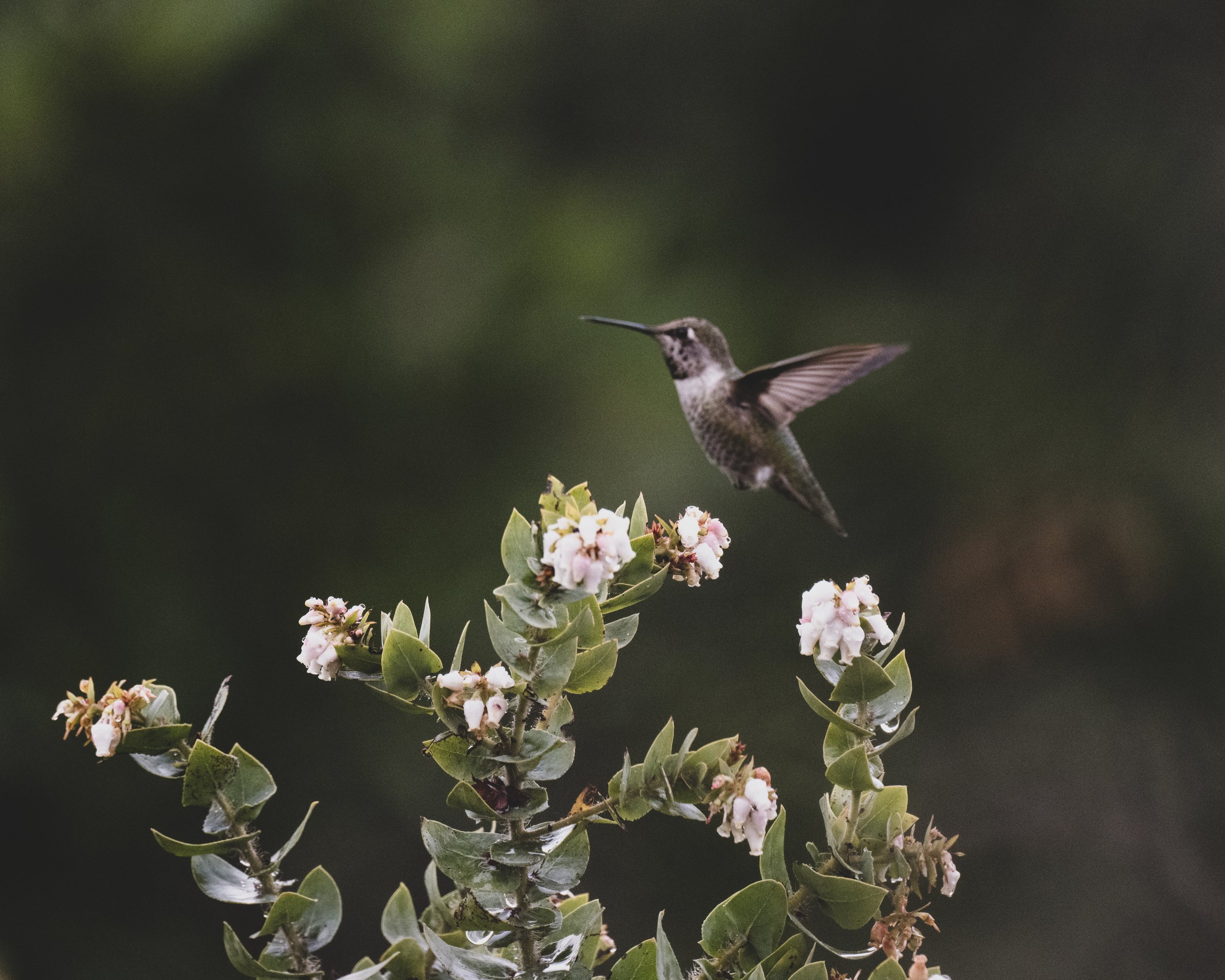
Winter in the manzanita grove is dramatic. As soon as the milky-pink urn-shaped flowers open around November, Anna’s hummingbirds appear in full force. Their chirps, chatters and wingbeats become the soundscape to the fog drenched hillside.
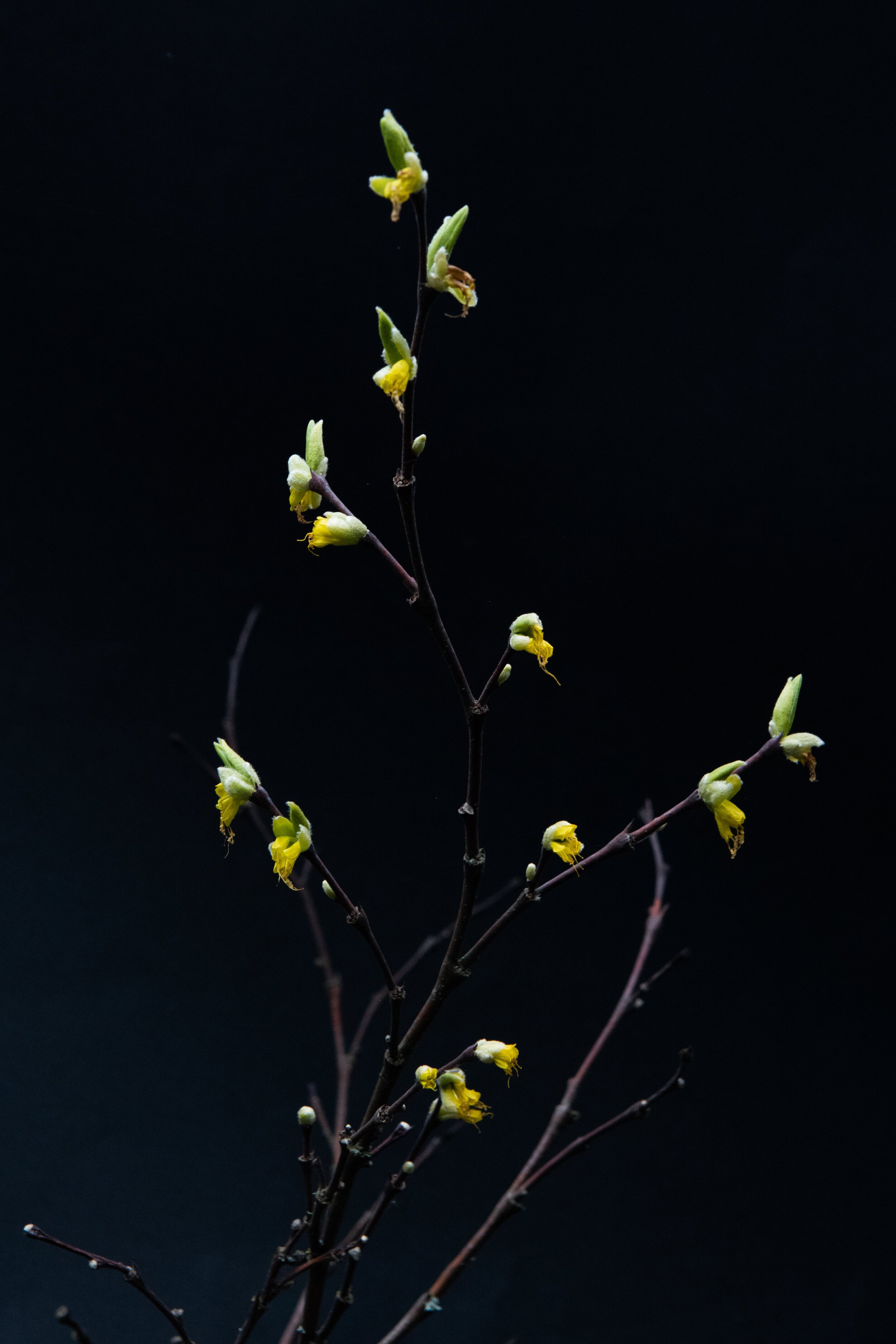
This little-understood shrub in the Daphne family fuels curiosity among its small network of fans: scientists, horticulturists and environmentalists.
See All in Animals
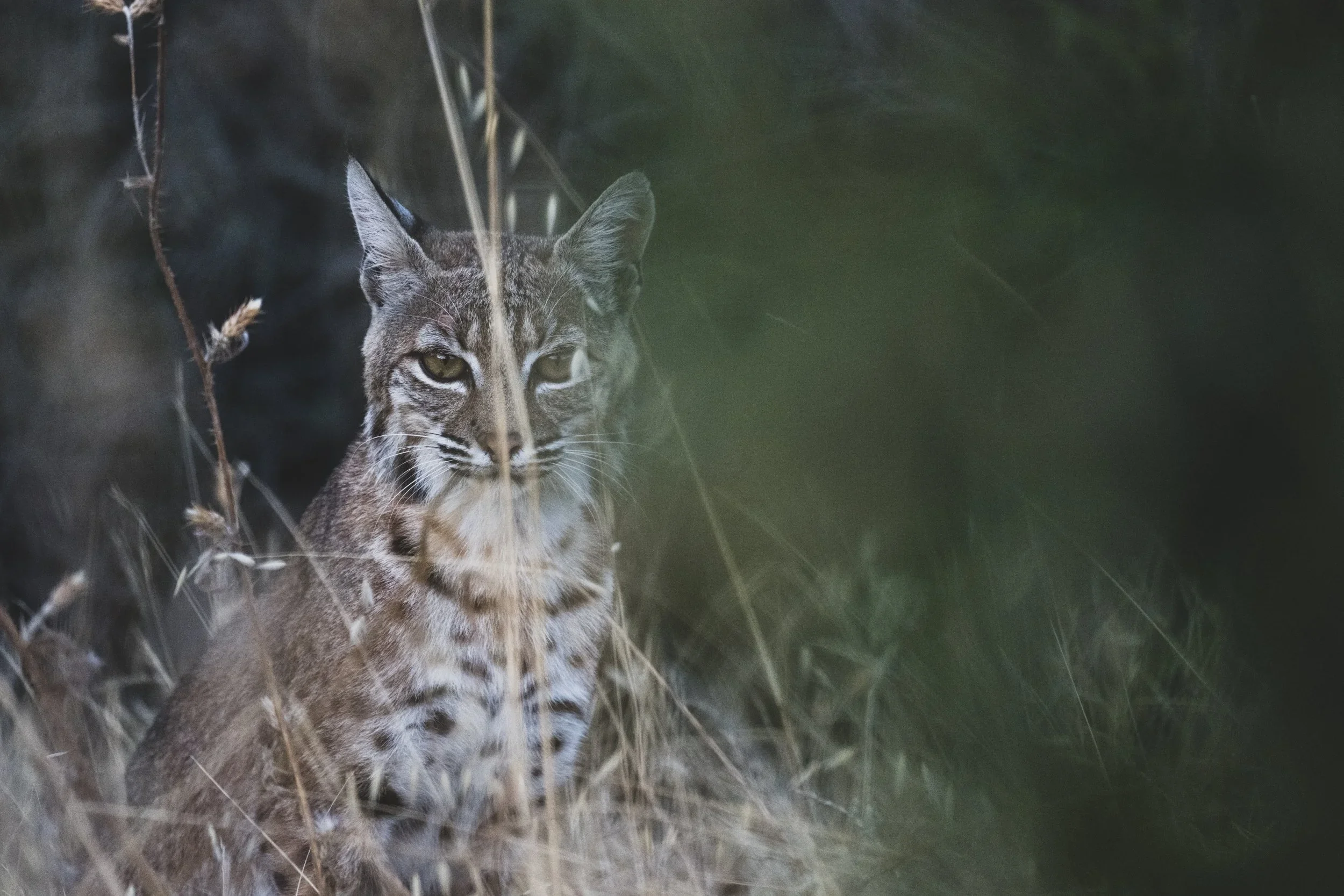
She saw me before I saw her. I wouldn’t have seen her at all, except a chilly breeze picked up after the sun dropped down behind the hillside. I shivered and bent down to pull my jacket from my pack. As I started to stand back up, my eyes came up to meet her almond-shaped hazel eyes.
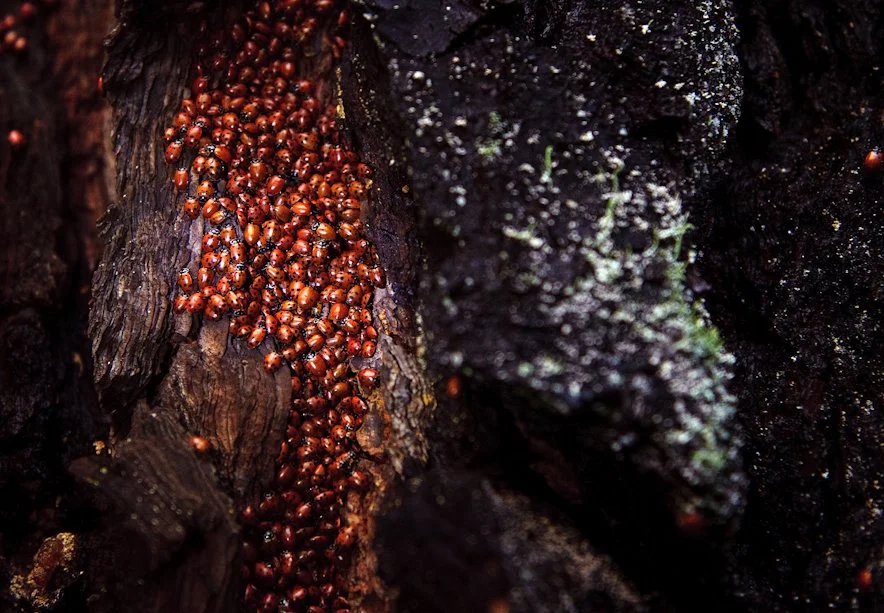
The ladybugs have arrived which means means winter in here! Every year when temperatures drop, hundreds of thousands of ladybugs gather in the East Bay hills to hibernate. Even though each year brings a new generation of ladybugs, they always return the exact same spots.
On a clear September morning, just a few steps from the parking area at Bear Valley Visitor Center in Point Reyes National Seashore, Richard gathered a group of his tracking school students around a picnic table. Just minutes into class, Richard had already dropped to the ground and was belly-crawling towards a small burrow.
Latifat Apatira is a botanical nature printmaker based in the Bay Area. As a physician who nearly became a botanist, the power of her creativity lies at the intersection of her passions and identities. Describing herself first as a Muslim-woman, this identity punctuates all the others: artist, daughter, sister, Nigerian-American, educator, plant person, and botanical activist. The many themes that make up her life’s work—faith and spirituality, the rich history of nature printing, botany, ethnobotany, and art—come together to form the whole of her creative work.
Around 9:00 p.m. during falcon fledging season, Craig Nikitas got a call from the San Francisco Fire Department asking him to come to Fire Station 35 on the pier. When he arrived, firefighters handed him a soaking-wet peregrine falcon fledgling in a box. She had been found grounded along the Embarcadero.
See All in Places
The Sacramento river valley was once home to vast areas of riparian oak woodland. This habitat supports hundreds of species of plants and animals. Today only 5 percent remains. The Cosumnes River Preserve is the largest remaining riparian forest in the state.
Tomales Point Trail at Point Reyes National Seashore, the northernmost trail in the park, traverses coastal dune and grassland plant communities.
On Instagram



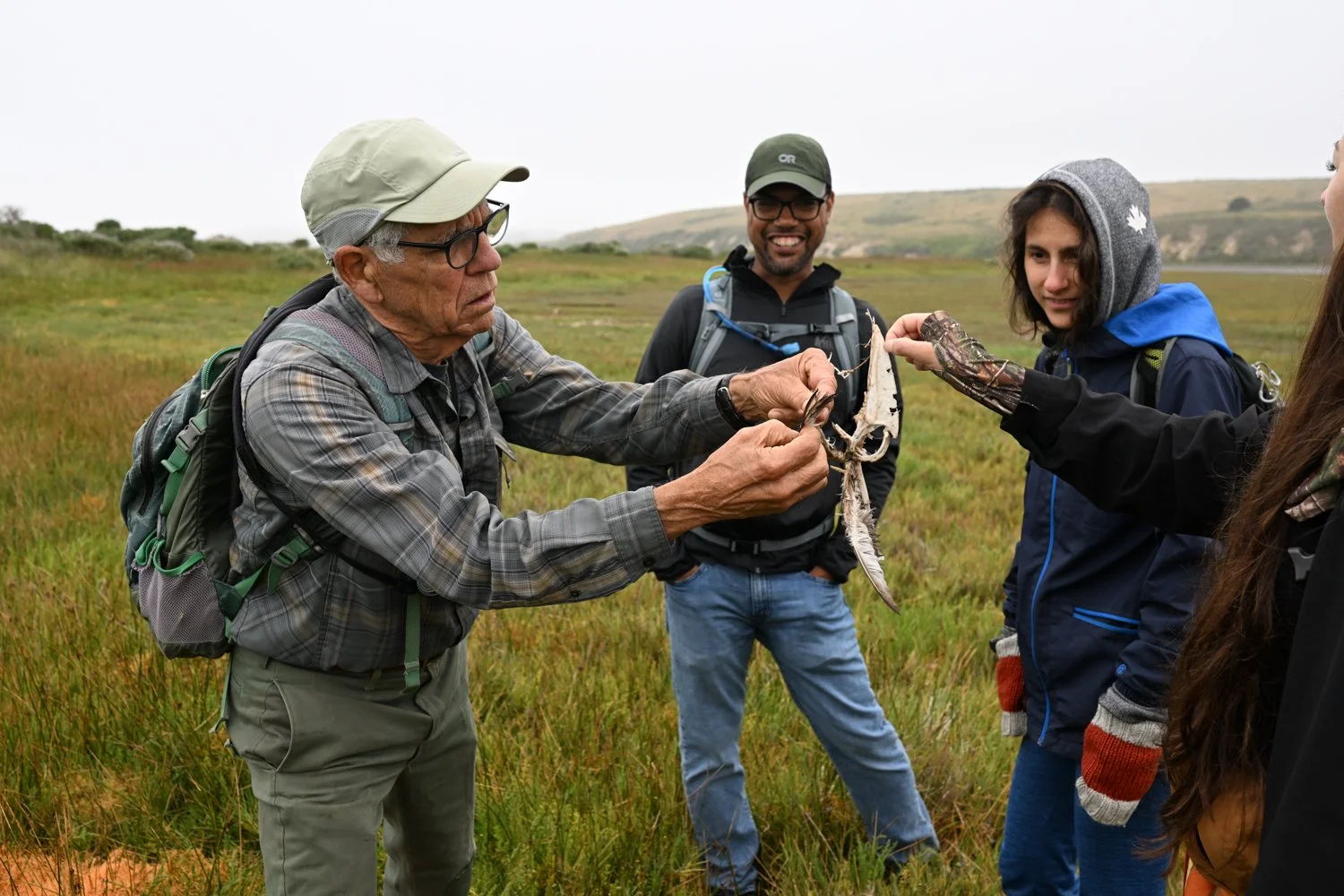






On a clear September morning, just a few steps from the parking area at Bear Valley Visitor Center in Point Reyes National Seashore, Richard gathered a group of his tracking school students around a picnic table. Just minutes into class, Richard had already dropped to the ground and was belly-crawling towards a small burrow.